 Immediate in store
withdrawal
Withdraw as of now your products in this store

Filter
Coros
Polar
IGPSPORT
Wahoo Fitness
BBB
Bryton
Cateye
Tucano Urbano
HR Monitor
Bluetooth Heartrate Monitor
Black Week
New in
Bestseller
Bestseller
Bestseller
Bestseller
 4.5/5(167)
Sold by Alltricks
Bestseller
4.6/5(20)Sold by Alltricks
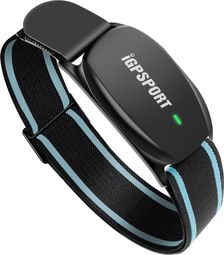
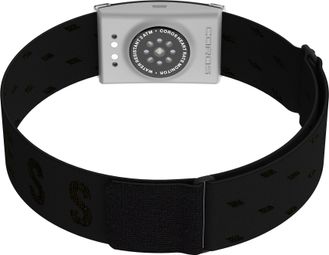
Sold by Alltricks
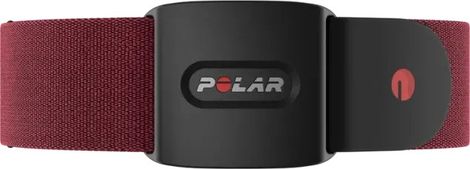 4.5/5(60)
Sold by Alltricks
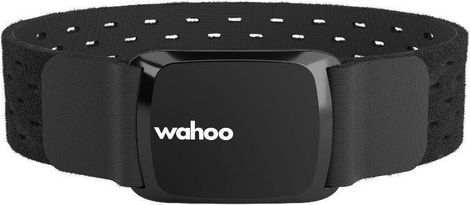 4.6/5(15)
Sold by Alltricks
Sold by Alltricks
You have viewed 17 products out of 17
Heart Rate Sensors measure your pulse during exercise, but the way you wear them changes the experience: a chest strap with electrodes or an optical armband on the upper arm. The right choice depends on your sport, the comfort you want and compatibility with your watch, bike computer or app. Understanding these differences also helps you interpret the data recorded during training.
A sensor transmits your heart rate in real time so you can track the intensity of a ride, a run or a fitness session. You can watch your beats per minute, compare effort and recovery phases, or use the data to guide a structured session. Depending on the device and app, the summary may also show average heart rate, maximum heart rate or an estimate of calories burned. These figures describe the recorded activity: they are not a substitute for medical advice.
Some devices also support heart rate variability, or HRV. This measures the variation in time between beats and is not the same as heart rate expressed in beats per minute. Whether it is available and how it is used depends on the connected sensor and the software. Check that your kit can receive this data if it is part of your tracking.
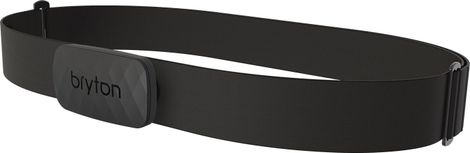
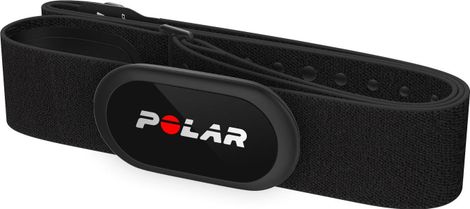
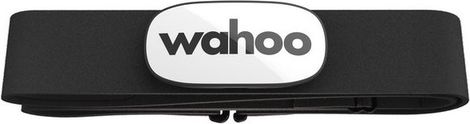
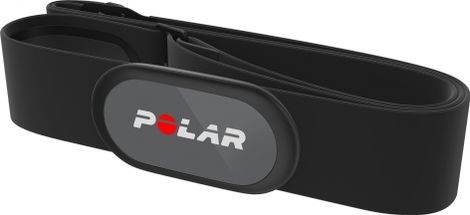
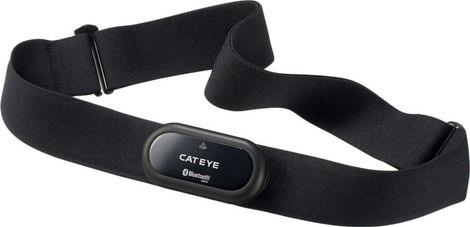
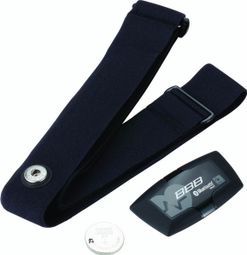
A chest strap uses electrodes placed against the skin to detect the electrical activity linked to each heartbeat. It suits sessions where you want a responsive reading, especially intervals or rapid changes of pace. For good contact, the strap needs to be adjusted and the electrodes moistened if necessary, particularly at the start of a session when the skin is dry.
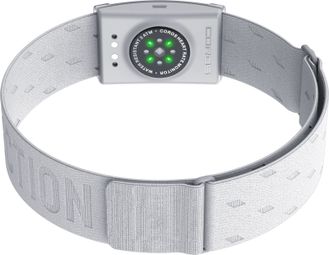
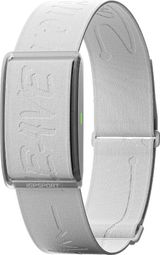
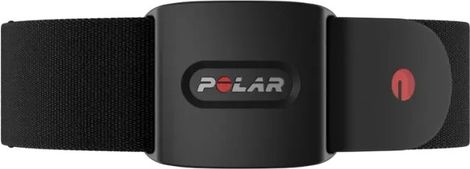
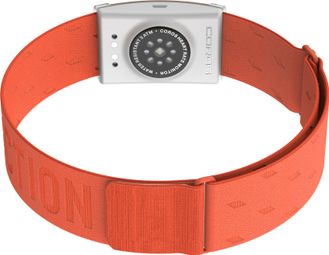
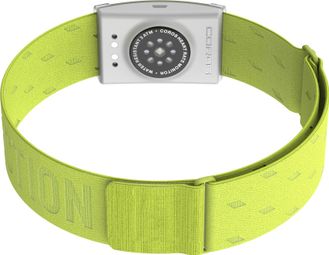
An optical armband shines light on the skin and measures changes in blood flow in the surface vessels. Worn on the arm, it does away with a strap around the chest and can be more practical with certain clothing or exercises. It must sit firmly against the skin without slipping or squeezing too tightly; movement and poor positioning can disrupt the reading. A watch with a wrist-based optical sensor is another option, but an external sensor lets you move the measuring point.
Beats per minute (BPM) show your heart rate at a given moment. A live reading shows how it changes during exercise, while average and maximum values summarise a session once it has been recorded. To compare two workouts, take into account the route, duration and conditions: a single value does not, on its own, describe how hard a session was.
Heart rate zones are ranges used to structure training intensity. How you read them depends on the calculation method and the personal data entered in your watch or app. If you use zones, check that they are set up on the device that analyses your sessions; the sensor sends the measurement but does not always set training targets by itself.
Bluetooth and ANT+ are the wireless protocols commonly used to send heart rate to a watch, bike computer, phone or fitness equipment. A device may support one or both protocols, and compatibility also depends on the receiver and the app. Before buying, check which protocol your main device accepts and whether the sensor can connect to several devices at once if, for example, you want to record a session on both a watch and a bike computer.
Live transmission is not the only possible feature. Some sensors can store a session in internal memory so you can view or sync it later, while others need an active connection to a compatible device. For swimming or training without a phone, look specifically for the recording mode and the level of water resistance required: water resistance and available features vary by product.
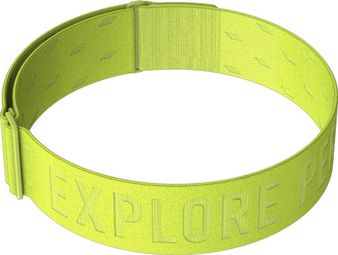
A strap should stay in place as you move without restricting your breathing; its adjustment range and size should match your chest measurement. An armband is usually worn on the upper arm and should be chosen according to your arm circumference: a strap that is too loose compromises optical contact, while one that is too tight is uncomfortable. The weight and stretch of the fabric matter especially on long outings and in sessions with frequent upper-body movement.
The power source affects day-to-day care. Depending on the product, sensors use a replaceable battery or a rechargeable one; stated battery life depends in particular on how you use it and how often you train. To clean a fabric strap, remove the electronic module if it detaches and follow the product's instructions. Storing it dry and checking the strap's condition regularly helps maintain good skin contact.
Start with your main sport and how you want to wear the sensor. A chest strap makes sense if you prefer chest-based measurement during interval efforts; an optical armband may suit you better if you would rather not wear a chest strap. For pool training, check water resistance and the ability to record data without a live connection separately.
Then compare wireless compatibility, size, battery life and the features that genuinely help your tracking. The table below summarises the criteria to look at for each use; it does not replace checking which protocol your watch, bike computer or app accepts.
| Usage profile | Format to consider | Criterion to check | Useful feature |
|---|---|---|---|
| Running with changes of pace | Chest strap | Fit and strap size | Live transmission |
| Cycling with a bike computer | Strap or armband | ANT+ or Bluetooth compatibility | Connection to bike computer |
| Fitness and upper-body movement | Optical armband | Fit on the arm | Comfort and stability |
| Swimming or sessions without a phone | Water-ready sensor | Water resistance and internal memory | Standalone recording |
No, compatibility depends on the wireless protocol supported by both the sensor and the watch. Also check that the watch can receive an external heart rate signal and that the connection you want is supported.
The two technologies do not measure the signal in the same way: the strap detects electrical activity, while the optical armband measures changes in blood flow under the skin. Fit, positioning and type of effort all affect reading quality, so the choice also depends on your comfort and your sport.
Some sensors allow simultaneous connections, but the number of devices and available protocols vary. Check the transmission specifications if you want to send your data to a watch and a bike computer during the same session.
If electrode contact is poor at the start of exercise, lightly moistening their surface can help the reading. Follow the product's care instructions and make sure the strap stays properly adjusted during your activity.
We will contact you by e-mail when this item is back in stock.