


Buying an electric assisted bike (e-bike) is often a moment of great excitement, quickly tempered by an avalanche of technical terms. If choosing the frame color is a matter of taste, selecting the location of your motor is a strategic decision that will literally dictate the behavior of your ride. Faced with the technical sheet, the fateful question arises: crank motor or motor in the rear wheel?
Let's be clear from the start, this is not a simple aesthetic detail reserved for die-hard cycling enthusiasts. The place where the electric magic happens completely changes the weight distribution, your pedaling sensation, and, especially, your bike's ability to climb that darn hill that makes you sweat just thinking about it.
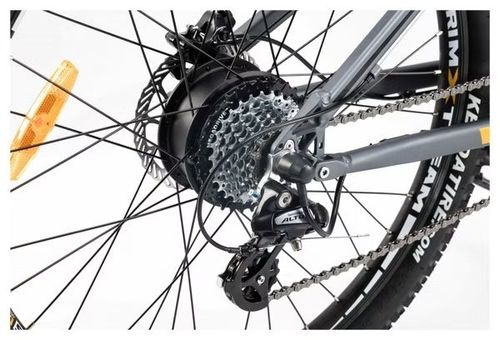
The rear wheel motor: The blissful illusion of the wind at your back
This is the system most commonly seen on entry-level bikes, lightweight urban fixies, or minimalist designed e-bikes. As its name implies with relentless logic, the motor is housed directly in the center of the rear wheel, integrated into the hub.
The operating principle shines through its childlike simplicity. This system is, in the vast majority of cases, coupled with a simple rotation sensor located at the crank axis. As soon as you start a half pedal turn, the sensor sends a signal to the electronic brain. The motor then immediately activates and literally pushes the machine forward. There's no need to put in a Herculean effort: just turning the crank, sometimes almost with no resistance, is enough for the electric unit to deliver its full power.
The advantages:
- The guaranteed "moped" effect: On flat ground, the sensation is undeniably exhilarating. The impression of being towed by an invisible hand lets you arrive at your destination without a single drop of sweat.
- A preserved transmission: Since the assistance does not directly drive the bike chain, the classic drivetrain (cassette, chain, derailleur) wears out much less prematurely.
- An unbeatable price: Because the onboard technology is simpler to produce and integrate, these models come with a much friendlier price tag.
The disadvantages:
- A precarious balance: All the extra weight (motor + often the battery on the rack) is concentrated at the rear. The bike becomes clumsy, loses agility, and can feel skittish in tight turns.
- An allergy to steep slopes: The rear wheel motor spins exactly at the wheel's speed. On a tough climb, the overall speed collapses, the motor slows down, loses efficiency, drains the battery, and ends up overheating.
- The flat tire nightmare: Removing a motorized rear wheel in pouring rain while having to unplug a stubborn power cable is an experience that builds character and considerably enriches your vocabulary.
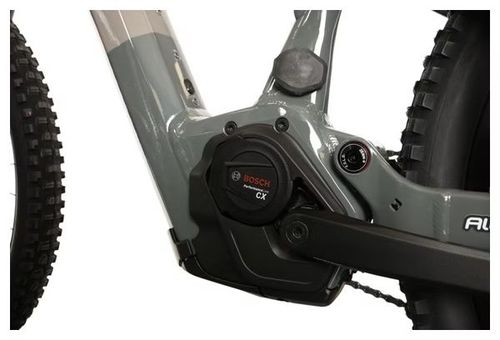
The crank motor: The perfect bionic symbiosis
This is now the absolute standard for mid-range and high-end e-bikes, wholeheartedly praised by the giants of the cycling industry. On these models, the assistance is directly grafted into the heart of the frame, at the bottom bracket level.
The major distinction from hub technology lies in the intelligence of the system, embodied by the torque sensor. It analyzes in real time — several thousand measurements per second — the exact mechanical pressure applied to the pedals. The assistance doesn’t push blindly; it amplifies human force. Man and machine merge to offer a finely tuned response to every pedal stroke.
The advantages:
- The illusion of titanium calves: A light pressure offers a subtle stream of power. A dynamic surge standing up unleashes the full horsepower. The output is strikingly natural, rewarding, and extremely reassuring.
- The king of the mountain: Positioned upstream of the transmission, the motor benefits from the derailleur. When downshifting on a slope, the crankset (and therefore the motor) maintains a high rotation speed and optimal efficiency. Almost no slope can resist it.
- An ideal center of gravity: The weight is concentrated as low and as central as possible on the bike. The ride regains perfect balance, becoming playful, maneuverable, and reassuring to pilot.
- Classic maintenance: Without a motor in the wheel, changing a rear inner tube becomes the quick formality of a standard muscle-powered bike again.
The disadvantages:
- The entry ticket: Integrating a central unit requires a custom-machined frame and precision engineering. It is very rare to find a high-performance crank motor e-bike under 2000 euros.
- A transmission under high stress: The chain finds itself pinched, having to endure simultaneously the force from the legs and the motor’s phenomenal torque. This architecture demands subtle handling (relieving pressure during gear changes) or else you risk destroying the cassette in a few months.
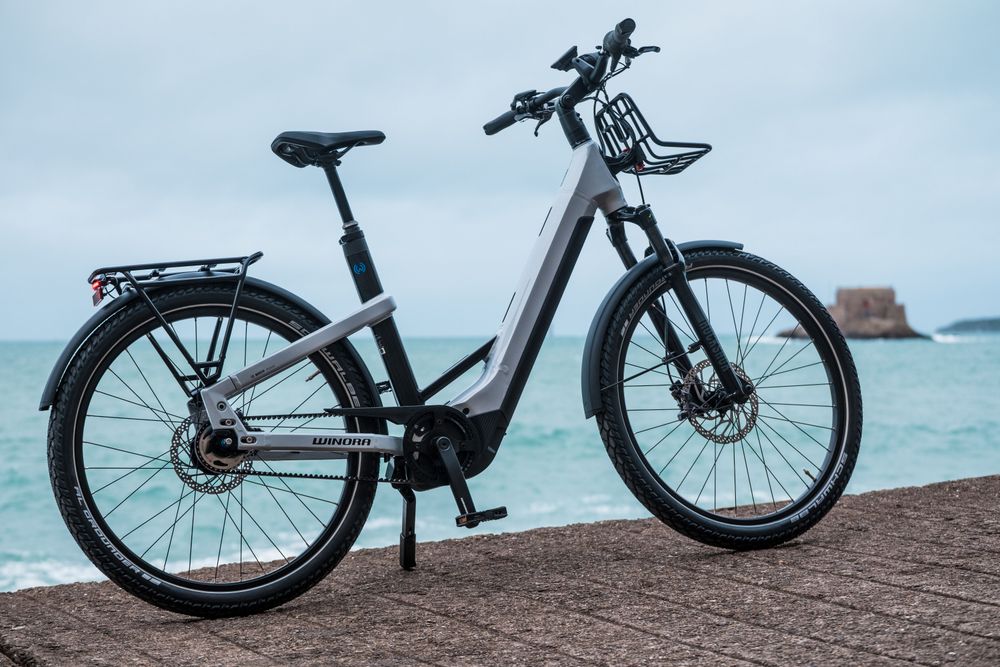
The showdown: Which profile for which technology?
There is no bad motorization in absolute terms, only technical choices inappropriate for certain environments. Analyzing three typical profiles helps to decide the matter clearly.
The Commuter of peaceful plains
For daily trips on relatively flat asphalt, with no desire for sporting performance. The goal is to reach the final destination cleanly and effortlessly.
- The verdict: The rear wheel motor imposes itself. It will fulfill its urban propulsion mission perfectly, for a controlled budget.
The Adventurer of steep trails
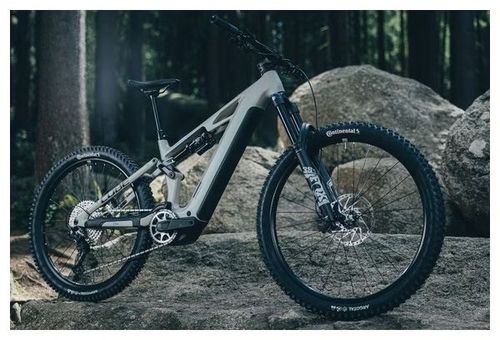
Whenever it’s about tackling hilly regions, venturing on muddy forest paths on weekends, or loading the bike for a road trip.
- The verdict: The crank motor is a categorical must. The fine grip management and the endless torque of the central motor are vital allies against the terrain.
The Demanding cyclist seeking balance
When a comfortable budget allows it and the top priority is given to machine stability, dynamic safety, and the pure pleasure of riding.
- The verdict: The verdict inevitably leans toward the central motor. The initial extra cost at purchase is quickly amortized by the unmatched riding pleasure in daily use.
Summary Comparison Table
| Evaluation Criterion | Rear Wheel Motor (Hub) | Mid-Drive Motor (Central) |
|---|---|---|
| Pedaling Feel | Raw power (on/off) | Natural and progressive |
| Efficiency on Steep Slopes | Low (risk of overheating) | Outstanding (uses gears) |
| Weight Distribution | Unbalanced towards the rear | Ideal (low center of gravity) |
| Maintenance Operations | Tedious (electrical cables) | Standardized (simple) |
| Estimated Minimum Budget | From €1000 | From €2000 |
Ultimately, the infallible judge remains your physical feeling. The consecutive testing of a bike equipped with a rear hub, then of a model fitted with a central motor unit, is the most relevant approach to undertake. A simple street with a somewhat tricky slope will be more than enough to grasp the fundamental difference between being pushed from behind, and the sensation of being endowed with superhuman power.

Redac
Author
The Alltricks editorial team: passionate experts sharing blog tests and advice on running (10k to marathon), trail, outdoor activities, and of course, all types of cycling.
View his articles


